

You’ve just gotten that home inspection report for your Chicago property, and your chest tightens. Major issues stare back at you: foundation cracks, electrical hazards, and water intrusion. You wonder, which _of these are mandatory fixes?_ _Which ones can I negotiate or walk away from?_
This blog cuts through the confusion. You’ll learn exactly what fixes are mandatory after a home inspection in Chicago, what you can reasonably ask for, and how to protect yourself as a buyer.
What “Home Inspection Fixes” Actually Mean
First, let’s clarify: a home inspection identifies home inspection fixes. These are defects, safety hazards, and maintenance needs. But not every issue is “mandatory” in a legal or contractual sense. Some are optional or negotiable.
Illinois law does not automatically require sellers to perform all repairs just because they were identified during an inspection. Fixing depends on your purchase agreement, local codes, lender requirements, and the outcome of negotiations.
So “mandatory” doesn’t mean everything. It means the defects that you and the seller, guided by contract terms or by codes/lender requirements, have agreed must be addressed.
When a Fix Becomes Mandatory
Here are the situations where a home inspection fix tends to become mandatory in Chicago or Illinois:
- Contractual repair clauses – If your purchase contract or inspection contingency specifies that certain defects must be fixed or you have an allowance for repairs, those become mandatory under your deal.
- Lender or underwriting requirements – Some lenders demand specific safety or structural issues be resolved before approving a mortgage.
- Code violations or safety hazards – If the inspection reveals conditions that violate city building codes or pose a risk (e.g., hazardous wiring, structural collapse risks, or missing handrails), the seller may be required to remediate.
- Local regulations or disclosure laws – Chicago (and Illinois broadly) may require specific disclosures or compliance with municipal codes related to health, safety, plumbing, and electrical systems.
In short, what’s “mandatory” depends on what you and the seller define, what the lender demands, and what local law requires.
Common Home Inspection Fixes in Chicago That Buyers Typically Demand
From real Chicago inspections and local practices, these are among the most commonly negotiated or “mandatory” fixes following home inspection:
Electrical System Safety
Defects like exposed wiring, lack of grounding, outdated knob-and-tube wiring, overloaded panels, or dangerous circuits. These are high-priority since they pose a fire risk.
Structural Issues & Foundation Cracks
Significant foundation cracks, bowing walls, settlement, or movement are red flags. Buyers often request structural engineer assessments and repairs.
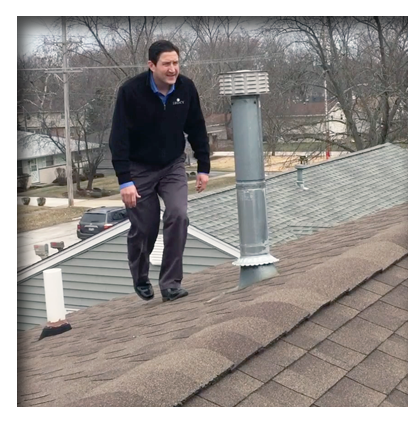
Roof Leaks or Compromised Roofing
Active leaks, missing flashing, failing gutters, or deteriorated roofing materials may require repairs before closing.
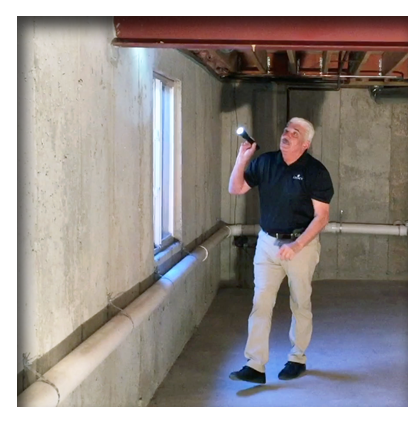
Water Intrusion, Drainage, Moisture Control
Basement flooding, improper grading, sump pump failures, or water seepage are typical “must-fix” items.
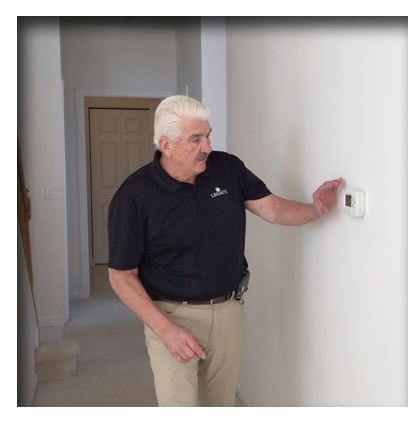
Faulty HVAC, Heating, or Plumbing
Broken furnaces, active leaks, dangerous fixtures, and broken water heaters; these are often critical issues.
These problems often appear in Chicago because many homes are older and have endured decades of wear. For example, Chicago Home Inspect warns of issues like lead pipes, clay sewer lines, and aged wiring in local stock.
What Isn’t Usually Mandatory
Not all defects in a home inspection report become mandatory fixes. Some examples:
- Cosmetic issues (peeling paint, minor drywall cracks).
- Minor wear and tear (loose trim, squeaky doors).
- Items already disclosed “as-is” by the seller in the contract.
- Repairs that are outside the scope of the seller’s agreement (if your contract places limits).
Price concessions, buyer repairs after closing, or patch-up credits often address these issues.
How to Make Sure the Repairs Become Mandatory (and Done Right)
If you want a home inspection fix to be mandatory, follow these strategies:
- Be explicit in your contract: Clearly outline which categories of repairs will be required under the inspection contingency (e.g., structural, electrical, plumbing).
- List mandatory items in an addendum with timelines, qualified contractor standards, re-inspections, and who pays.
- Get repair bids from licensed professionals before negotiating.
- Require permits: For significant structural or system work, require that repairs be done with municipal permits and inspections.
- Include a re-inspection clause: After repairs, the inspector should verify the fixes before closing.
- Tie funds to completion: Use escrow or holdbacks so that the seller receives payment only after the repairs are confirmed.
These steps convert vague promises into enforceable obligations.
Risks and Challenges
- Seller resistance: Some sellers will balk or refuse, especially when the home is listed “as-is.”
- Cost escalation: Structural repairs or system overhauls can be expensive.
- Time delays: Permits, contractor schedules, and inspections slow down the closing process.
- Scope disputes: What constitutes a “sufficient repair”? Without a detailed contract, disagreements arise.
Having clear language, professional estimates, and re-inspection clauses helps you avoid disputes.
Conclusion
In Chicago, a home inspection report often reveals multiple issues, but only some of those are truly mandatory. The difference lies in your contract details, lender requirements, and local codes.
When you push to make home inspection fixes mandatory, focus on safety, structural, and system problems, including electrical, plumbing, roofing, foundation, and moisture issues. Use clear contracts, require licensed repair personnel, obtain permits for work, and insist on re-inspection.
That way, you protect your investment and avoid moving into a house with hidden disaster.
If you’re navigating mandatory repairs after a home inspection in Chicago, don’t face it alone. Let Legacy Inspection Group guide you. We deliver clear inspection reports, help you identify which fixes you should demand, provide documentation for your contract, and re-inspect to confirm repairs. Partner with Legacy Inspection Group to negotiate confidently and close safely.