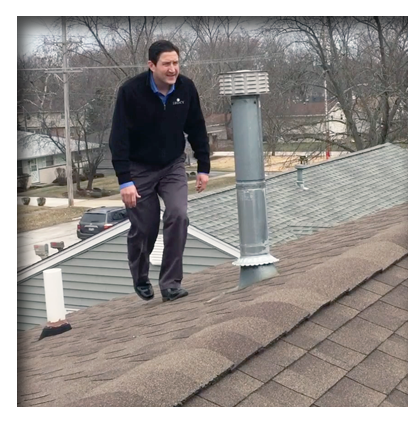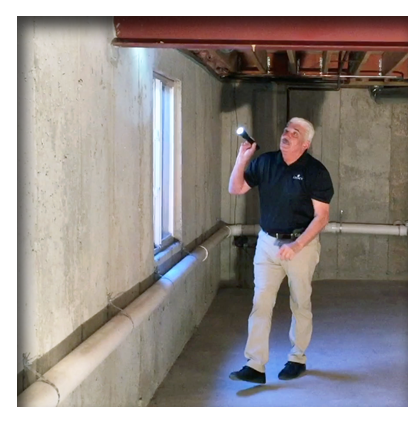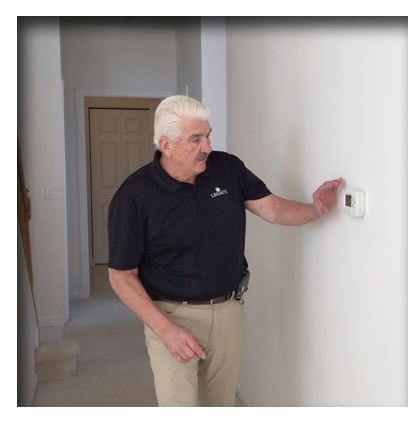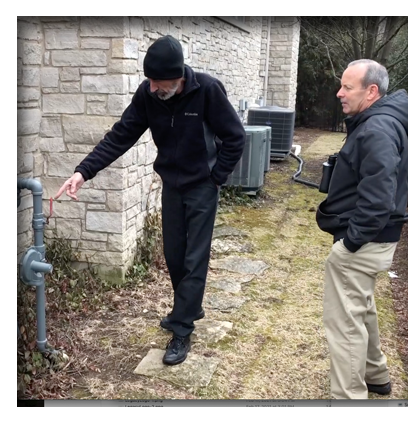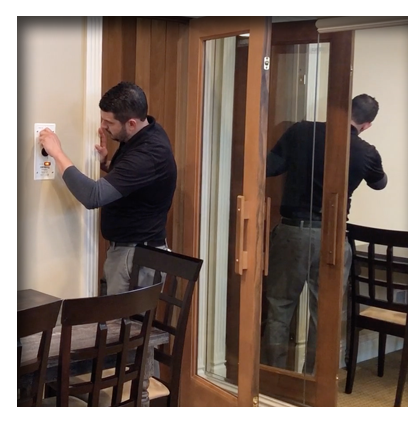

You are standing at the closing table, about to sign, when the inspector throws a bomb: “Major electrical problems. Roof nearing failure. Plumbing leaks.” The deal that seemed easy turns into a nightmare.
One of the largest stressors in the real estate industry is home inspections. However, what happens when much of that pressure has been caused by myths and misconceptions and not by truth?
Today, we’re going to dismantle the biggest misconceptions out there, especially what sellers get wrong about home inspections. You will leave knowing everything you need to make a good choice, avoid disappointments, and secure your deal.
Let’s clear up the confusion.
Why Inspections Matter
Home inspections expose problems and hold both parties accountable. Recent statistics suggest that approximately 86% of home inspections reveal a significant defect, and close to 15% of contracts are not concluded due to inspection results. This indicates the significance of inspections in actual transactions.
However, when sellers and buyers are guided by myths, they will fail to negotiate intelligently or to prepare their homes properly.
Myth 1: There is No Need for Sellers to Worry About Inspections
One of the most common pieces of “what sellers get wrong about home inspections” is the belief that inspections are only for buyers.
In fact, sellers can use a pre-listing inspection as a tactic. It allows them time to locate and rectify their problems on their own terms, whereas buyers exploit such discoveries.
In numerous competitive home markets, sellers who pre-inspected their houses could offer a certified home status, which contributed to higher buyer loyalty and shorter market times.
By confronting problems early, sellers will not negotiate at the last minute and will set their home’s price more accurately.
Myth 2: Who Cares about the Minor Problems
Some sellers believe that no one will notice minor details, such as loose fittings or peeling paint, during the inspection process.
But this misunderstanding, another part of what sellers get wrong about home inspections, can mislead them. Minor issues may not be deal-breakers, but they can lead to deeper underlying issues.
A case in point is that peeling paint may indicate moisture damage, as seen around the baseboards. Slightly loose tiles in the bathroom might indicate improper installation or water leakage. These are apparently minor issues that cause alarm to buyers.
Myth 3: Inspections are Meant to Fail your House
Most sellers would take it wrong that the inspector is out to find faults with the seller to cast them in a bad light.
That’s not true. Home inspectors also provide an objective assessment of the home’s condition and identify areas that are unsafe, in poor condition, or hazardous. It is not their task to fail a home; they help show what a buyer or seller should be aware of.
This realization will enable sellers to approach inspections with a problem-prevention mindset rather than paranoia.
Myth 4: Sellers Must Show an “All is Well” Report
And this is where most sellers fail miserably.
What sellers often get wrong about home inspections is believing they must fix every issue the inspector finds.
What you need to know is that you do not need to make everything right. You and the buyer can agree on what must be repaired, any price adjustment, or sell on an as-is basis. On the other hand, some sellers provide credits or discounts to cover necessary repairs.
This flexibility can make sales more efficient and make both parties happy.
Myth 5: Home inspections are a Pass/Fail Test
Another harmful myth is the belief that homes either pass or fail inspection.
Inspections do not function like that. They record the property condition at the time. No certification or stamp, or particular result of a pass/fail.
Rather, sellers and buyers base their decisions and negotiations on the inspector’s findings.
Myth 6: Inspectors Find Every Problem
Sellers believe that, since their house is well-maintained, they will not encounter any serious issues during the inspection.
The inspections done on the house are comprehensive, but not omniscient. Only what is visible and available will be inspected. They do not lift furniture, cut walls, or perform invasive testing.
This is exactly why one of the big reasons sellers get home inspections wrong is assuming that no news is good news. Undercover problems, such as behind-wall wiring, attic leaks under insulation, or sub-slab plumbing, will not be revealed until you get the house ready and clear inspection areas for the inspector.
Myth 7: Skipping Inspection Saves Time and Money
Sellers in hot markets compel buyers forgo inspections to get good offers.
This is risky for both parties. Missing an inspection will not save actual money. It passes the risk of expensive subsequent repairs to the owner. And that uncertainty may frighten earnest buyers or reduce bids.
Myth 8: New Structure Does not require an Inspection
Another misconception is that the newer the house, the fewer inspections should be done, since it is new.
This is far from accurate. Tight deadlines, lack of coordination among contractors, and rushed constructions can cause problems in foundation settlement, electrical, plumbing, and structural aspects.
A professional inspection will be beneficial even for brand-new properties.
What These Myths Mean for You
Knowing these myths will help you approach a home inspection strategically, whether you are selling or buying. It will turn an inspection from a scary thought into a necessary exercise that brings transparency to the table.
Here’s what to remember:
- Pre-listing inspections can save time and money,
- Not all the problems are urgent to fix.
- Inspectors are independent fact-finders, not deal-killers.
- New houses should be inspected too.
It is better when you prepare your house in advance for inspection.
Final Thoughts
Home inspections act as checks and balances in real estate. They provide buyers and sellers with information, reduce risk, and enhance trust in a major transaction.
Don’t let myths cloud the judgment or impact the bottom line.
Ready to get the most accurate, thorough home inspection possible?
Contact Legacy Inspection Group to schedule your inspection with experienced professionals who understand the real estate market and common pitfalls. We deliver clear, concise reports you can trust, helping you negotiate smarter and move forward with confidence. Choose Legacy Inspection Group and protect your investment today.