

Picture this: it’s a bitterly cold winter evening. You just turned on your chimney, and the warm fire glow engulfs your living room. You settle on your couch, sipping hot cocoa, enjoying the blissful retreat. But suddenly, the smell of burnt smoke disrupts the whole scene. You see clouds of grey smoke wafting in your room, and that’s when you realize your chimney is not working.
This is exactly why chimney inspection should never be an afterthought. Not just a tunnel for smoke, but your chimney is an essential part of your home’s safety system. Regular inspection prevents hazards of fire, leaking of carbon monoxide, and expensive repairs in the future.
Let’s dive into everything you need to know about chimney inspections and why they matter more than
you think.
Why Chimney Inspections Are Essential
As much as your car requires a tune-up, so does your chimney.
As stated by the Chimney Safety Institute of America (CSIA), all chimneys should be inspected at least once a year, even if you don’t use them often. This includes fireplaces, wood stoves, and heating systems
that vent through a chimney.
A chimney inspection can:
- Detect cracks or blockages.
- Discover creosote buildup (an inflammable residue of burning wood).
- Spot animal nests or debris.
- Reveal structural damage.
Ignoring these issues can lead to chimney fires, with an average of 22,000 residential fires annually in the U.S.
Understanding Different Levels Of Chimney Inspections
Not all chimney inspections are the same. There are three levels for various circumstances.
Level 1 Chimney Inspection
This is the most common type. If you have used your chimney the same way for years, a Level 1 inspection should be sufficient. The inspector examines the accessible parts of your chimney to ensure that everything is functioning as it should.
What Is A Level 2 Chimney Inspection
If you’ve made changes to your chimney system, like switching from wood to gas, had a chimney fire, or are selling your home, a Level 2 chimney inspection is what you need.
This inspection goes deeper. It involves:
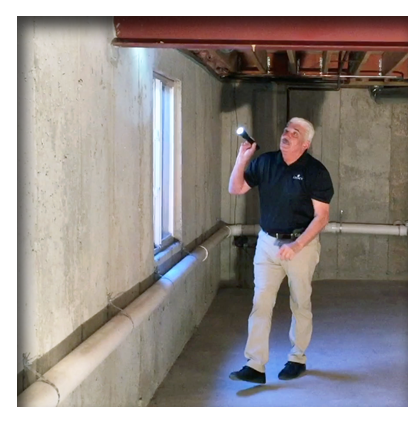
- An examination of the visual aspect of accessible areas (such as attics and crawl spaces).
- Video scan of the flue’s interior.
- Checking clearances from combustibles.
It’s more detailed and is usually needed in real estate deals or after a natural disaster such as an earthquake or storm.
Level 3: The Most Invasive
Level 3 is a rarity and is only required if serious hazards are suspected. It can be done by taking part in the chimney or building structures to diagnose the problem.
What Happens During A Chimney Inspection
A chimney inspection has come a long way and now involves high-tech equipment.
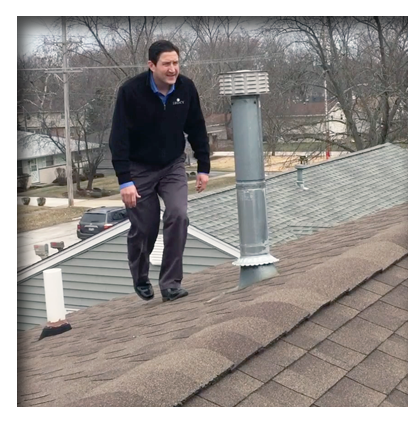
Modern chimney inspectors use video cameras, infrared scanners, and moisture meters to see what is beyond the eye. They’ll look at:
- The chimney cap and crown.
- The flue and liner.
- Firebox and damper.
- Exterior masonry.
The aim is to detect even small issues before they become big, costly problems.
Common Issues Found During Inspections
Chimney inspectors are likely to find the following:
- Creosote buildup: This tar-like substance can catch fire.
- Cracked flue liners: Can let harmful gases into your house.
- Water damage: Chimneys have leaks or mold.
- Obstructions: Leaves, bird’s nests, or even bricks can stop the smoke’s passage.
The Cost Of Chimney Inspections
You might wonder how much it costs.
A standard chimney inspection can cost anywhere from $100 to $300, depending on the level and complexity. That’s a really small price for your family’s safety and security.
Consider this: A chimney fire or carbon monoxide gas leak could cost you thousands, or worse, people’s lives.
Signs You Might Need A Chimney Inspection
Even if it’s outside inspection season, some signs are red flags:
- Smoke entering your home.
- Bad odors from the fireplace.
- Soot or debris of the firebox.
- Damp patches on walls around the chimney.
- Unusual sounds (birds, critters).
If you notice any of these, don’t delay; schedule a chimney inspection immediately.
DIY vs. Professional Inspections
You may be tempted to have a DIY chimney inspection. Although you can make a simple visual analysis, a certified professional will see what you can’t. They know where to search, what to search for, and how to correct it.
The job is done right by hiring a certified technician. Find certified inspectors by NFI (National Fireplace Institute) or CSIA (Certified Chimney Specialist Association).
Chimney Safety = Home Safety
View your chimney as your home’s exhaust, and you’ll remember to take care of it as much as your car’s exhaust. If it isn’t working correctly, it can quite possibly backfire.
Regular chimney inspections aren’t just a recommendation but a smart habit. They help you use your fireplace safely, cut on repairs, and keep your home safe.
Final Thoughts
Your fireplace is a center of dinners, get-togethers, cozy conversations, and romantic times. However, behind those flames lies a system that requires care and attention.
Understanding what a level 2 chimney inspection is, knowing when to call the pros, and making inspections a regular part of home maintenance can save you stress and money down the road.
So, the next time you light the fire, ask yourself, “Has my chimney been inspected this year?”
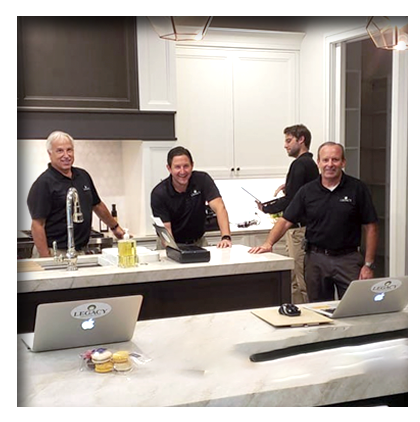
Are you ready to schedule your chimney inspection? Legacy Inspection Group is on the ground to assist.
With certified inspectors, up-to-date tools, and years of experience, we ensure that your chimney is safe, clean, and ready for service. As the situation demands, we’ll help you with a routine check or a level 2 inspection.
Don’t wait until it’s too late; book your chimney inspection with Legacy Inspection Group today and breathe easy knowing your home is protected.
Contact us for a quote and to discuss your Home Inspection needs today at 847-217-5958. We service the Chicago area for home inspections, mold testing and radon testing.