

Purchasing a home is a profoundly exciting and deeply stressful experience at the same time. Things like mortgage approvals, moving trucks, paint shades, and getting that perfect kitchen fixture probably consume your mind. During the house-buying frenzy, most buyers ignore the hidden mold threat that remains unnoticed in the home.
Sure, it doesn’t sound glamorous. But trust us, a mold inspection can save you from serious headaches down the road. A simple move now will have lasting effects on your health, finances, and peace of mind in the future.
Let’s talk about why every homebuyer should get a mold inspection before closing the deal.
Mold: The Hidden Problem In Your Home
Mold isn’t always visible. It nests between walls, under floors, inside heating and ventilation systems, and in crawl spaces. Mold grows rapidly after taking hold under favorable conditions, such as moisture, wood, drywall, and insulation materials.
The Environmental Protection Agency declares that mold growth occurs within 24 to 48 hours of water exposure. So, any seemingly minor leaking or unresolved water damage is ideal for mold development.
Why Mold Matters When Buying A Home
You purchase a new house and settle in with dreams of a comfortable living but later discover unwelcome mold symptoms inside the home. Everything seems ideal except for a sudden strong odor. The mold infestation brings about trouble like itchy eyes, headaches, and persistent coughing symptoms. Time passes, and you discover dark spots spread across your basement wall after several weeks. Surprise! You’ve got mold.
A simple mold inspection before closing could’ve revealed the issue early, saving you thousands of dollars in remediation and protecting your family’s health.
Health Risks Of Mold Exposure
Mold has an unpleasant appearance and poses several health risks. Enduring mold exposure over long periods can produce the following ailments:
- Asthma and allergy flare-ups.
- Chronic sinus infections.
- Fatigue and brain fog.
- Skin irritation and eye inflammation.
According to the Centers for Disease Control and Prevention (CDC), mold creates severe health problems for three specific groups: children, elderly people, and individuals with compromised immune systems.
A thorough mold inspection requires immediate attention; neglecting this procedure is a poor choice.
Why A General Home Inspection Isn’t Enough
Regular home inspections only include visible mold inspection. While inspectors may note visible mold indicators, they refrain from conducting air quality evaluations or looking for mold inside the walls. A specialized mold inspection includes diagnostic equipment.
- Moisture meters.
- Infrared cameras.
- Air sampling and lab analysis.
Only a certified mold inspection can give you a clear picture of mold’s presence, where it’s hiding, and how severe the problem is.
What’s Included In A Mold Inspection
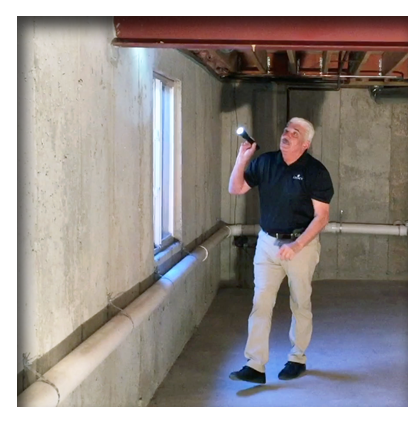
Mold inspectors trained in their field search for wet areas while inspecting for obvious mold growth and possible affected regions. They’ll examine:
- Attics and basements.
- Behind walls and under flooring.
- HVAC ducts and systems.
- Bathrooms, kitchens, and laundry areas.
- Around windows and plumbing.
They will conduct necessary lab tests by collecting air and surface samples. Once the inspection concludes, they furnish you with a report that contains comprehensive findings and suggestions.
Mold Can Be A Deal Breaker
Mold presence in real estate properties causes health and financial problems for home buyers. It increases the cost of insurance premiums while simultaneously lowering property value and prolonging real estate closing periods.
A mold discovery during inspection doesn’t mean the end of the world. You can handle the situation by taking any of the following steps.
- You should request the seller to deal with the problem before completing the transaction.
- If mold remediation costs are high, renegotiate the selling price with the seller.
- Leave the deal if the mold damage proves to be too severe.
The Cost Of Prevention vs. The Cost Of Remediation
A professional mold inspection typically costs between $300 and $700, depending on the size of the home and the scope of testing.
Mold remediation costs around $2,000 and sometimes more than $10,000 if the process includes structural damage repairs. Therefore, inspecting a home for mold is always a smart choice.
Quick Tips For Homebuyers
Homebuyers who are exploring the market should consider these crucial points:
- Inquire about any history of water damage, along with the presence of past leaks.
- Check for earthy odors, water stains, or deterioration of paint surfaces.
- Request a mold inspection if the home has a basement, old plumbing, or visible moisture issues.
- While searching for an appropriate mold detection inspector, focus on finding someone who holds certification in this field.
Remember, if the mold is not visible, it doesn’t mean it is not present.
Final Thoughts
The pursuit of a new home is exciting, yet homebuyers should protect their dreams from becoming mold-infested nightmares. A thorough mold inspection gives you confidence that your new home is safe, clean, and ready for your family.
It’s not just about protecting your property but also about safeguarding your family’s wellness and ensuring that you enjoy peace of mind in the long run.
Legacy Inspection Group offers detailed, reliable mold inspection services to help homebuyers like you make smart, informed decisions. Our qualified technicians employ modern tools during mold and moisture evaluation to ensure buyers can confidently move forward with their purchase decisions.
Schedule your mold inspection with Legacy Inspection Group today and protect your dream home from hidden surprises.
Contact us for a quote and to discuss your Home Inspection needs today at 847-217-5958. We service the Chicago area for home inspections, mold testing and radon testing.