

Buying a home in Chicago is a major investment. Between competitive offers, older housing stock, and neighborhood-specific concerns, there’s a lot at stake. And one of the most important decisions you’ll make during the process is how to choose a home inspector.
You need a home inspector in Chicago, IL, with local experience who knows what to check during an inspection. Just rushing through properties with a flashlight doesn’t help.
How to Choose a Home Inspector in Chicago, IL
If you’re looking for a qualified home inspector in Chicago, IL, here are nine smart questions you should ask before booking.
1. Are You Licensed and Properly Insured in Illinois?
In Illinois, home inspectors must be licensed by the Illinois Department of Financial and Professional Regulation (IDFPR). That license ensures minimum training standards and ongoing education requirements. Ask:
- Are you currently licensed in Illinois?
- Do you carry general liability and E&O (Errors & Omissions) insurance?
A licensed and insured inspector protects both you and your investment. If someone hesitates to answer this clearly, move on.
2. How Familiar Are You with Chicago Homes?
Homes here often include older masonry construction, flat roofs, and aging electrical systems. A home inspector in Chicago, IL, who is familiar with local homes understands issues like:
- Masonry deterioration from harsh winters
- Sewer line concerns in older neighborhoods
- Ice dam risks on flat or low-slope roofs
- Foundation movement is tied to seasonal soil changes
Experience with Chicago properties matters more than just “years in business.”
3. What Exactly Does Your Inspection Include?
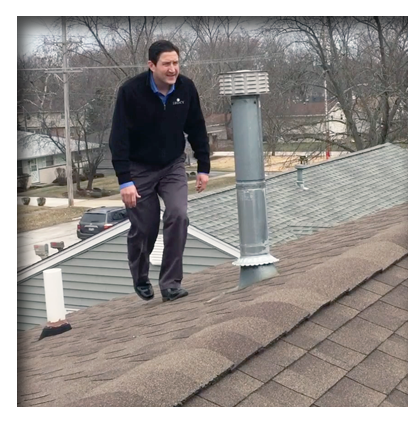
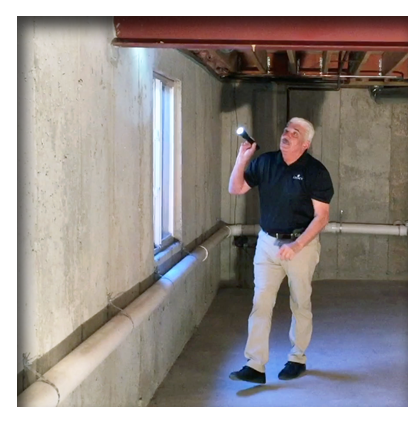
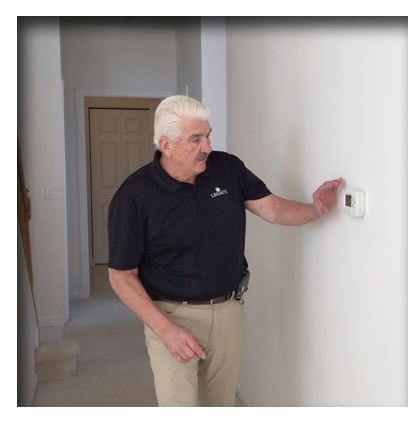
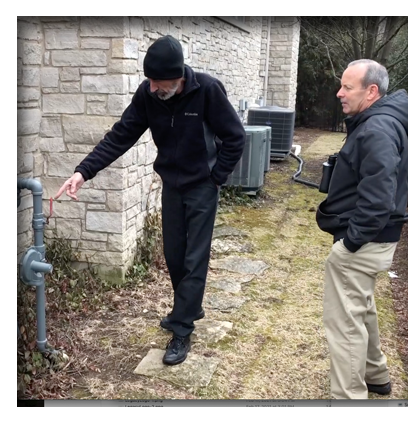
A certified home inspector looks for all major components of the home as per the Standard of Practice (SOP). A standard home inspection typically includes evaluation of:
- Roofing systems
- Structure and foundation
- Electrical systems
- Plumbing
- HVAC
- Attic and insulation
- Exterior grading and drainage
But in Chicago, additional services may be highly recommended, especially sewer scoping due to older clay lines and tree root intrusion. When learning how to choose a home inspector, clarity on scope is critical. Ask for a breakdown of what’s included and what’s optional.
4. Can I Attend the Inspection?
The best inspections are interactive. A good inspector walks you through the property and explains what they’re seeing. Being present allows you to:
- Ask real-time questions
- Understand maintenance expectations
- See issues firsthand
- Learn how systems operate
If an inspector discourages buyer attendance without a clear reason, that may limit the value you get from the experience.
5. What Does Your Report Look Like?
Some inspection reports are short and vague. Others are detailed, organized, and photo-supported. Ask to see a sample report. Look for:
- Clear summaries of major concerns
- High-quality photos
- Plain-language explanations
- Differentiation between safety issues and maintenance items
When evaluating how to choose a home inspector, the report is ultimately what you’re paying for. Make sure it’s something you can actually use.
6. How Long Will the Inspection Take?
Inspection time reflects thoroughness. For an average Chicago single-family home, an inspection often takes 2-4 hours. Larger or multi-unit properties take longer.
If someone claims they can inspect a 2,500-square-foot home in under an hour, that should raise concerns. A rushed inspection increases the likelihood of missed issues.
7. Will You be Available After the Inspection?
A professional home inspector in Chicago, IL, doesn’t disappear after sending the report. Questions often come up later, especially once you start discussing repairs or negotiating with sellers.
Ask whether they’re available for follow-up clarification. A responsive inspector adds long-term value, not just a one-time document. They help you with your queries even after the report is delivered.
8. How Do You Distinguish Between Major and Minor Issues?
Every defect is not considered a deal breaker. A loose handrail is very different from foundation movement. An aging water heater is different from an active roof leak. An experienced inspector will help you understand:
- What requires immediate attention
- What’s a safety concern
- What’s normal wear and tear
- What can be monitored over time
This guidance is essential when deciding whether to move forward with a purchase or negotiate repairs.
9. How Long Will It Take to Receive My Inspection Report?
Timing is one of the most important things in Chicago’s competitive market. You don’t want to be waiting days for a report while negotiations stall. Most professional inspectors deliver reports within 24 hours. When asking this question, look for clarity:
- Will I receive the report the same day?
- Is it delivered digitally?
- Will it include photos and summaries?
- Is there a clear section highlighting major concerns?
Fast delivery is important, but accuracy should be your priority. A reliable home inspector in Chicago, IL, balances speed with thorough documentation. It helps you to move forward confidently within your contingency timeline.
Why Choosing the Right Inspector Matters in Chicago
Housing stock in Chicago is diverse. The charm of properties comes with complexities. Masonry, basements, aging infrastructure, and weather exposure all create unique challenges. Choosing the right inspector is about finding someone who understands local construction practices, climate impacts, and long-term maintenance realities.
Reach out to Legacy Inspection Group to book the best home inspectors in Chicago. You need clarity today to save thousands in the future.