
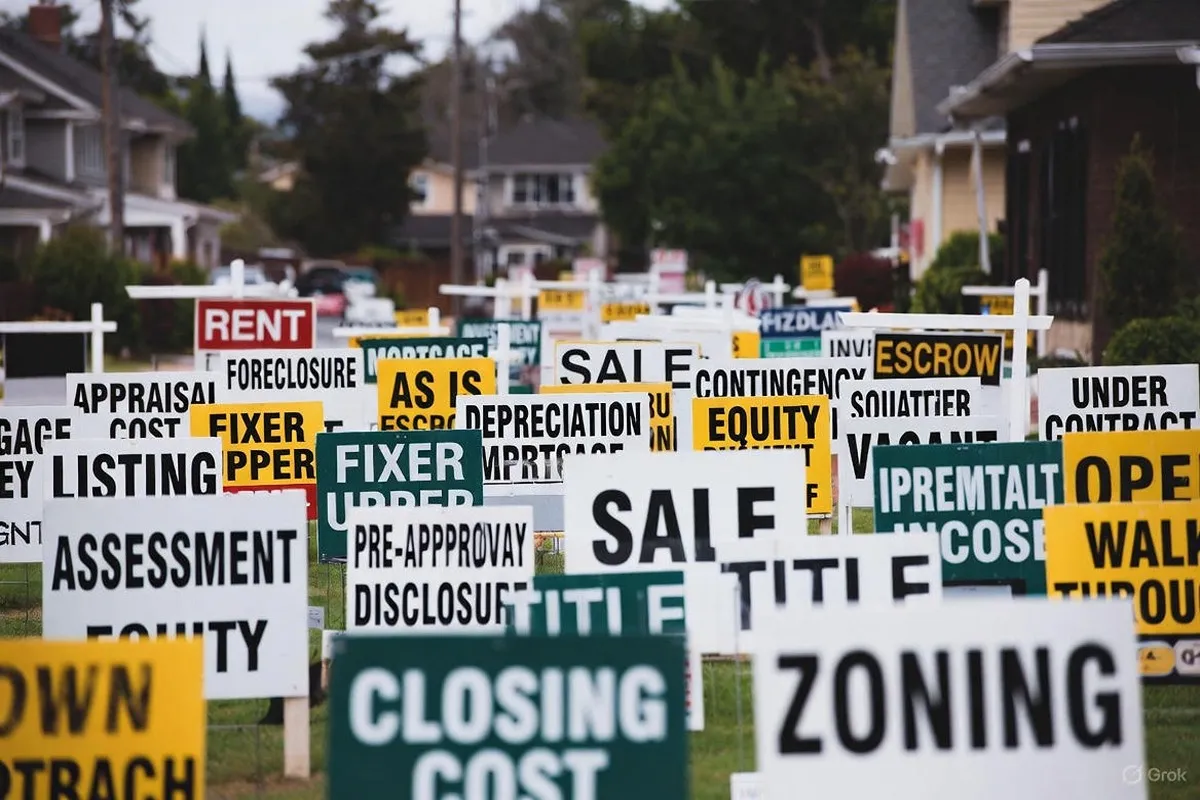
Buying or selling a home is stressful enough without having to decode a pile of confusing industry jargon. One minute your agent is talking about “earnest money,” the next it’s “title insurance,” and suddenly you feel like you need a dictionary just to keep up.
Don’t worry, you’re not alone. Every buyer and seller faces this learning curve. That’s why we’ve put together 11 must-know real estate terms explained in plain English.
By the end, you’ll not only understand the conversations around you, but you’ll also feel more confident navigating one of the biggest financial moves of your life.
Major Real Estate Terms to Know
Here are some of the most used real estate terms that every buyer and seller must understand:
Listing Agent vs. Buyer’s Agent
The listing agent represents the seller and is responsible for marketing the property. On the other hand, a buyer’s agent represents the buyer and works to find suitable homes and negotiate offers.
Both agents are realtors or licensed professionals who help clients navigate the real estate process. Understanding who’s representing whom is key to avoiding conflicts of interest and ensuring your goals are front and center.
Realtor vs. Real Estate Agent
Most people think that a realtor and a real estate agent are the same, but there’s a difference.
A real estate agent is anyone licensed to help people buy or sell real estate, while a Realtor is a real estate agent who’s a member of the National Association of Realtors (NAR) and abides by a strict code of ethics.
When it comes to professionalism and ethics in real estate deals, choosing the Realtors gives buyers and sellers an extra layer of accountability.
Contingency
A contingency is a condition that must be met for a real estate deal to go through. Common contingencies include:
- Financing: the buyer must get approved for a mortgage
- Appraisal: the home must appraise for the sale price
- Inspection: the buyer can back out if the property inspection reveals major issues
The contingencies are just like safety nets that protect both buyers and sellers from getting locked into a deal they can’t fulfill.
Earnest Money Deposit (EMD)
It is also known as “good faith deposit”. The earnest money is a sum the buyer puts down to show they’re serious. It’s typically held in escrow and goes toward the purchase price at closing. If the buyer backs out for a reason not covered by a contingency, they might lose this money.
Escrow
Escrow refers to a third party that holds funds and documents during the real estate transaction. This neutral party ensures everyone plays fair, and they release money only when all terms of the deal are met. If you ever hear “home is under escrow,” it simply means the purchase process is underway.
Closing Costs
These are the fees paid at the end of a real estate transaction. Closing costs usually include:
- Title insurance
- Appraisal and realtor home inspection fees
- Attorney fees (if applicable)
- Loan origination charges
- Taxes and prepaid expenses (like homeowner’s insurance)
Buyers typically pay 2% to 5% of the home’s purchase price at closing costs. Your realtor can help estimate these costs upfront.
Appraisal
An appraisal is an unbiased estimate of a home’s value, usually ordered by the lender to make sure the property is worth the loan amount. If the appraisal comes in lower than the sale price, it can delay or even derail the deal. Then it depends on the buyer if they agree to pay the difference or if the seller lowers the price.
Home Inspection
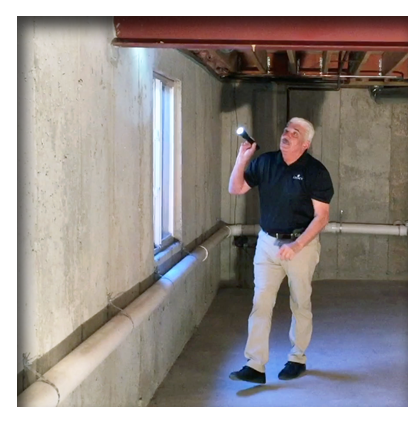
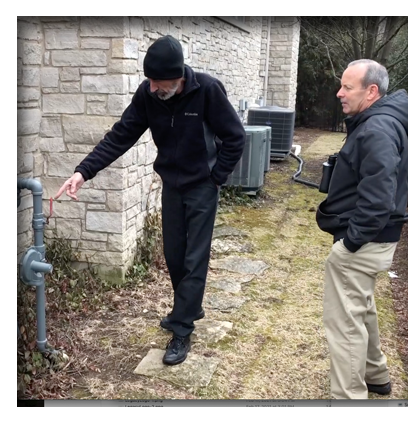
A home inspection is a thorough examination of the property’s condition by a licensed professional. It’s one of the most important contingencies in any purchase offer. A home inspection typically checks:
- Roof and foundation
- HVAC and electrical systems
- Plumbing and water damage
- Pest issues
- Safety hazards
Even if the buyer is dealing in a hot market, the inspection shouldn’t be missed. It identifies costly repairs and gives you negotiation power.
Title Search & Title Insurance
It is the title search that confirms the seller legally owns the property and that there are no liens or legal issues. Title insurance protects the buyer and lender if any disputes arise after the sale. Usually, realtors coordinate with title companies to manage this step.
Pre-Approval vs. Pre-Qualification
While getting a mortgage, you may come across these terms. Pre-qualification is an estimate of what you might be able to borrow. It is based on your self-reported financial info.
Pre-approval is a more in-depth process where a lender verifies your credit, income, and assets. Most of the realtors advise buyers to get pre-approved before they start house hunting.
Seller’s Disclosure
The seller’s disclosure is a document where the seller outlines known problems with the property, like mold, structural issues, or past flooding. It is required to protect buyers. A home inspection can verify the information and catch issues that weren’t disclosed.
Final Thoughts
Real estate doesn’t have to be confusing. You just need the right knowledge about real estate terms and what is happening at every step. The knowledge of the terms is just beginning to help you understand. The most important thing in the buying or selling process is a real estate property inspection.
The inspection helps to understand the actual condition of the property and if some important information is missing in the seller’s disclosure.
At Legacy Inspection Group, we provide reliable services to help you have a smooth real estate transaction. Schedule an inspection and know everything about the property you are going to buy.