

Key Takeaways
- Mold needs moisture, and Chicago’s storms, basements, and humid summers give it plenty of chances.
- Watch for the signs that show you need a professional inspection. These signs include musty odors, peeling paint, stained ceilings, or chalky basement walls.
- Testing gives you leverage, since documented mold growth before closing lets you ask the seller for repairs or credits.
House hunting in Chicago becomes exciting when you find charming properties. You can already see yourself hosting weekend game nights in the finished basement. But a few weeks after moving in, you notice a strange, damp smell that won’t go away.
This nightmare scenario happens to Chicagoland buyers every year. Fresh paint and clever staging can easily mask underlying water issues, leaving you with hidden health hazards and massive repair bills. Professional mold testing in Chicago before closing gives you the real story behind those fresh walls.
Why Mold Testing in Chicago Matters Before You Buy
Mold isn’t rare, and it isn’t always scary. But it’s a clue. It usually means water has been getting in somewhere it shouldn’t.
Mold Always Comes Back to Moisture
The Illinois Department of Public Health explains that excess moisture in a home can cause mold to grow. It can also rot wood and weaken the structure over time. So when you spot mold, the real question is where the water is coming from.
It Can Affect Your Health
The same state agency says exposure to mold can cause coughing, sneezing, wheezing, and asthma symptoms. Reactions vary from person to person. Still, you don’t want to find out the hard way after you’ve moved in.
Chicago Homes Have Their Own Risks
Chicago has plenty of older homes, and many have basements. Heavy storms can overwhelm the city’s sewer system, causing basement flooding or backups. Winter ice dams can force water under roof shingles. Humid summers add moisture to the air. It doesn’t mean every house has mold. It just indicates that a closer look is a smart step.
Signs of Mold in a House Before Buying
You don’t need to be an expert to notice trouble. Keep your eyes, nose, and hands busy during every showing.
A Musty Smell
This is the big one. If a room smells earthy, damp, or stale, pay attention. Don’t let a strong air freshener fool you. Ask yourself why anyone would need that much of it.
Visible Spots or Staining
Mold can look black, green, white, or gray. It often shows up as fuzzy patches or dark spots. Check corners, window frames, or areas prone to high moisture to find it. Look under sinks too.
Water Stains on Ceilings and Walls
Brown rings on a ceiling usually mean a past or current leak. The same goes for stains near windows or along the lower part of a wall. Stains don’t always mean mold. But they do mean water, and water is what mold needs.
Peeling Paint and Warped Floors
Bubbling paint or wallpaper can point to moisture behind the wall. Warped or buckled flooring is another clue. Gently press on suspicious spots. Soft or spongy areas deserve a second look.
A Damp Basement
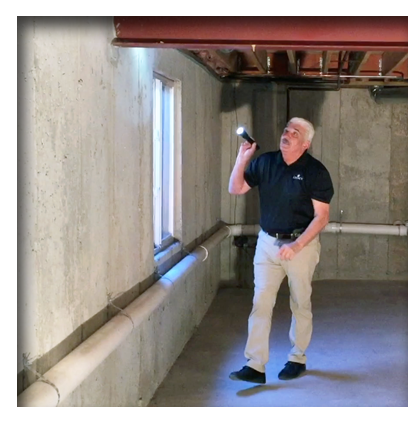
Walk the whole basement slowly. Look for wet spots, a damp feeling in the air, or white, chalky residue on the walls (efflorescence), which shows water moving through the masonry. Also check the bottom of the stairs and the area around the water heater. Those are common spots for leaks.
Foggy Windows and Heavy Condensation
Some condensation in winter is normal. But if windows are always wet or the sills look stained, that’s too much humidity. Moist air can lead to mold in the places you can’t see.
Fresh Paint in Odd Spots
A freshly painted patch on an otherwise older ceiling can hide something. It’s not proof of anything. It’s just a reason to ask questions.
Sneezing or a Scratchy Throat During the Showing
If you start sneezing or coughing as soon as you walk in, take note. It could be dust or allergies. It could also be something in the air. Either way, mention it to your inspector.
Frequently Asked Questions About Mold Inspection
- Is mold testing covered in a standard home inspection?
No, standard home inspections are general visual checks. While an inspector might note visible water damage, mold testing is a separate service that uses air or surface samples analyzed in a lab.
- Can mold problems be completely fixed in a home?
In most cases, yes, as long as the moisture source is fixed too. Professionals remove or clean affected materials and correct the leak or humidity problem that caused it.
- Should I walk away from buying a house with mold?
Not necessarily. Most moisture issues can be remediated safely. Finding a mold problem during your inspection period gives you leverage. Your attorney can then request remediation or credits during attorney review.
- How long does it take to get mold testing results?
The physical walkthrough and sample collection take about one to two hours. Samples are then sent to an accredited laboratory. The formal diagnostic reports are delivered after the laboratory provides their test results.
Act to Protect Your Future Home and Family Health
Buying a home is a big leap. A musty smell, a stained ceiling, or a damp basement is your cue to check for mold. Mold testing in Chicago can show you what’s really going on inside those walls.
Get a professional mold inspection by Legacy Inspection Group before buying a home. Get clear answers first, then make your move with confidence.